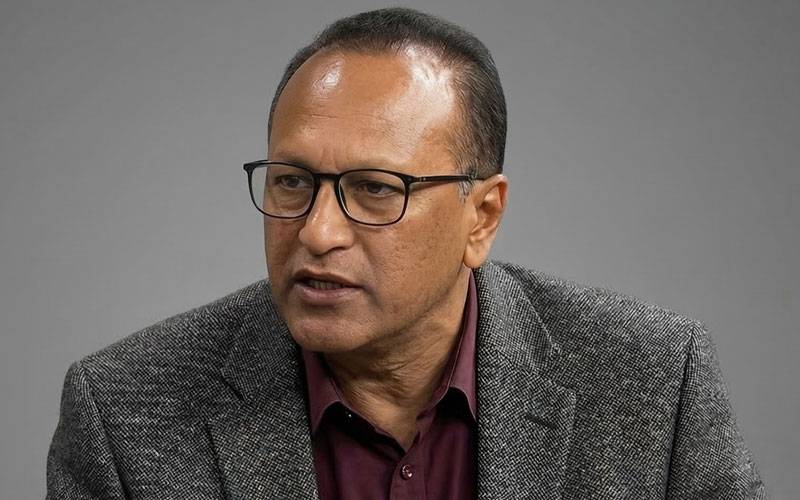

Exactly 15 days ago, a historic convergence of North East political heavyweights—including Meghalaya Chief Minister and NPP chief Conrad K. Sangma, TIPRA Motha founder Pradyot Bikram Manikya Deb Barma, former Nagaland minister Mmhonlumo Kikon, and Assam’s Daniel Langthasa, founder of the People’s Party—unfolded, setting the stage for a reimagined political architecture across the region. The visionary alliance, dubbed the One North East platform, aims to transcend state boundaries, forging an indigenous political powerhouse with a unified voice from the North East.
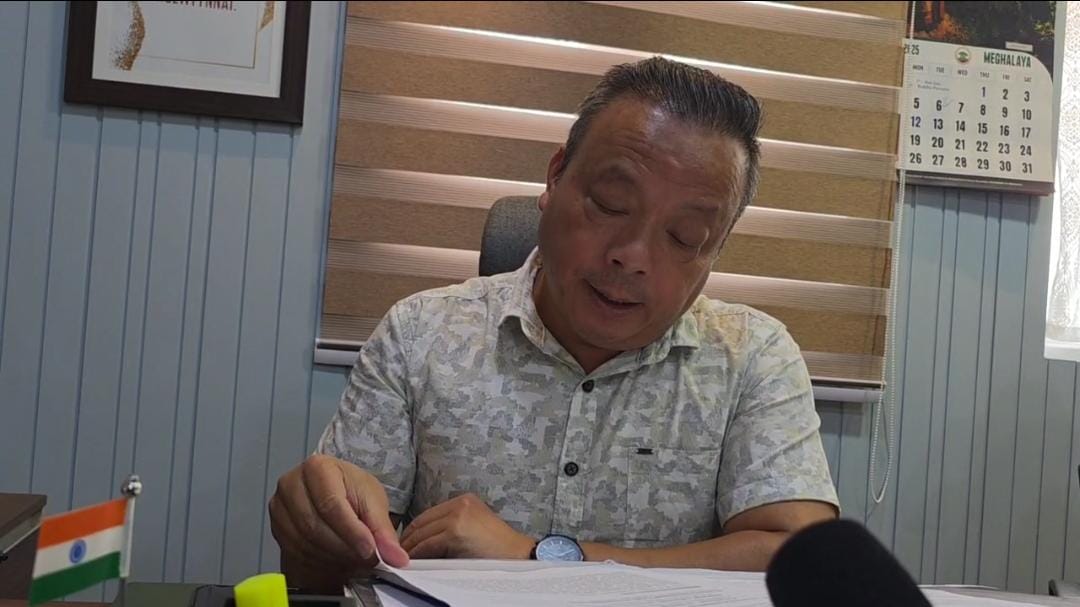
Commenting on the development, NPP Working President Marcuise N Marak clarified the implications for the upcoming Garo Hills Autonomous District Council (GHADC) elections: “This Regional Front you meant to ask about TIPRA Motha merging with NPP? It should not affect the GHADC elections, rather it will boost up the GHADC elections because TIPRA Motha is going to merge with NPP party and certain conditions they have put forth for which the national committee has already formed a consultative committee under the chairmanship of National Working President of NPP, James K Sangma. So they have already started exercise of consulting all the party leaders from the state level. So therefore they are taking this issue forward with the TIPRA Motha. It will be a multi-consultative exercise, which will be carried out by national committee.”
On the delicate issue of party symbols and identity, Marak offered his personal perspective: “I personally feel, this is my personal feelings that the Book symbols should also be there and National People’s Party name should be there. What I feel and based on that probably the discussion may start but I don’t know. It’s headed by our national leaders, James K Sangma is heading the Committee. I have expressed my feelings that we should retain NPP, and also the book symbol. With regards to TIPRA Motha, I may not be able to express what kind of a feeling they are having but Mr. Pradyut Debverma is the leader of TIPRA Motha has expressed his willingness to work with NPP party leadership because it’s a voice that matters in Delhi. So probably one North East message he might be trying to send to the National leaders.”
Marak underscored the broader political significance: “So this exercise is a very good exercise, definitely the identity issue will not be there because after all NPP party also, you know, represents the North East and we have got recognition of national party now. So therefore working with NPP will not be losing any identity of any leadership, any party anyone because this will send a message of unity, this will send a message of oneness from Northeast, one voice from the northeast.”
He added that NPP’s influence is now extending beyond Meghalaya: “NPP in Northeast, we have now Meghalaya, we have Nagaland, Manipur, and also Arunachal Pradesh. So another state coming up is a very good step and we will be having more advantage with our party leadership. So we will be very, I will be very happy to welcome TIPRA Motha leaders. NPP is a national party and not a regional party. We are having regional identity but national status and others are merging.”
With the merger talks underway, political observers say the move could redefine electoral dynamics in the region, consolidate indigenous political representation, and send a clear message to Delhi that the North East is forging a united, influential front.