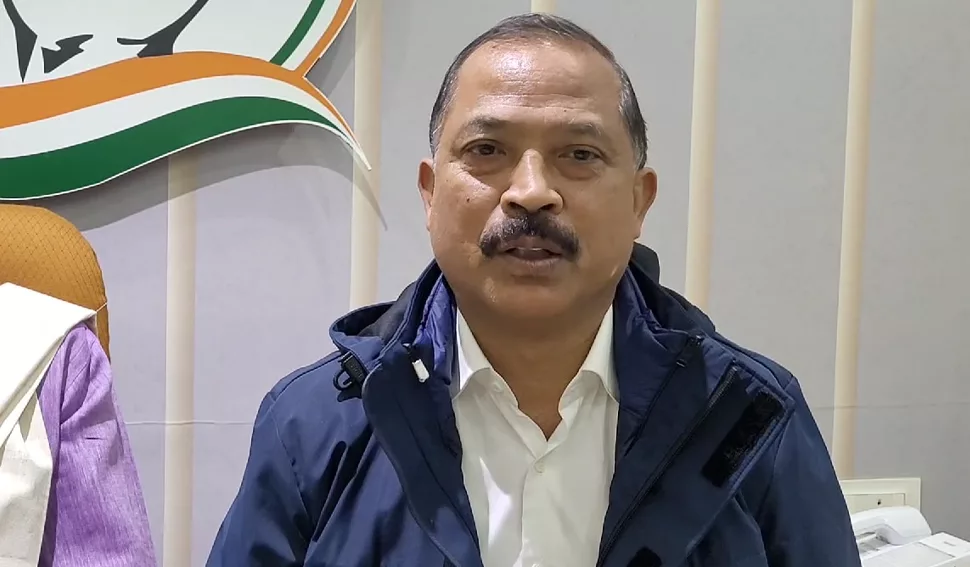

Shillong, June 27, 2025 — As public sentiment over the implementation of the Inner Line Permit (ILP) system resurfaces in Meghalaya, Cabinet Minister and MDA-II spokesperson Paul Lyngdoh on Friday clarified that the Meghalaya Residents Safety and Security Act (MRSSA) is neither intended to replace nor complement the ILP, but stands as an independent and more progressive state legislation tailored to contemporary needs.
“The MRSSA is not supposed to be a substitute or an adjunct to the ILP, but the MRSSA is a state law under which the government and also the State Assembly have had several rounds of debate. And it is, in one sense, an improvement upon the ILP because it has been drafted and framed by lawmakers of this century,” Lyngdoh asserted, pushing back against criticism and reiterating the government’s position on the issue.
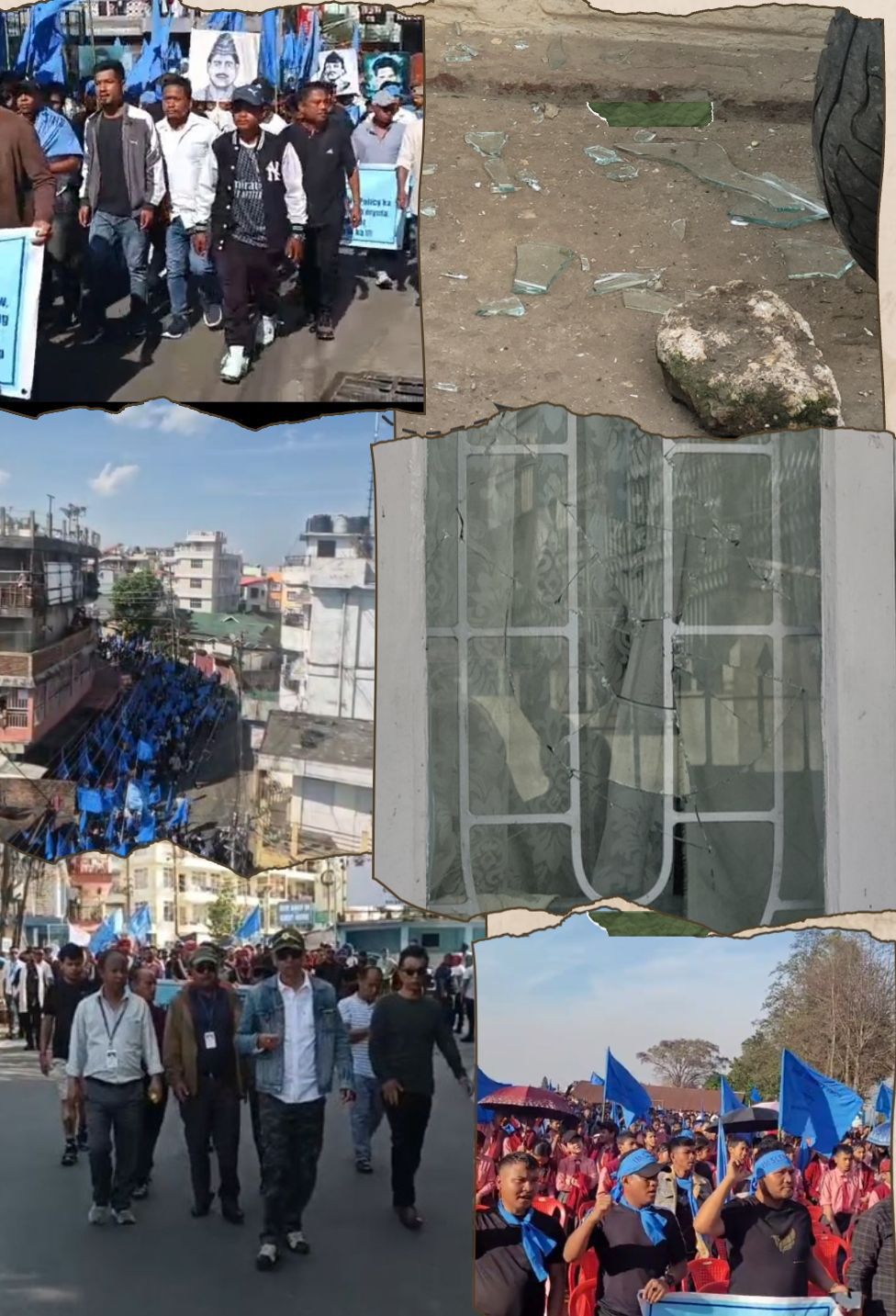
Lyngdoh’s statement came amid a renewed wave of pressure from civil society groups, student bodies, and opposition leaders following recent crimes allegedly involving non-locals. With the Union Government still reviewing Meghalaya’s official request for ILP coverage, the public discourse has intensified, reigniting calls for stronger legislative tools to curb unchecked influx and safeguard indigenous identity.
Drawing attention to the colonial roots of the ILP under the Eastern Bengal Frontier Regulation of 1873, Lyngdoh highlighted the legal and procedural agility that the MRSSA offers. “So to that extent, the MRSSA would also allow the State Assembly to come up with amendments from time to time, as and when needed,” he explained.
“So I leave it to the wisdom of the electorate, but here we have a State Act which we are at liberty to improve upon at any point of time,” he added, underscoring the Act’s potential as a flexible and state-owned instrument of regulation.
His comments were a direct counter to Voice of the People Party (VPP) spokesperson Batskhem Myrboh, who reignited the ILP demand, linking it to growing safety concerns, unregulated tourism, and systemic governance lapses. Myrboh maintained that only ILP, with central sanction and constitutional backing, could provide the level of protection the people of Meghalaya are seeking.
As the state weighs its legislative options, the government’s push for a strengthened MRSSA continues to face political and public scrutiny. With the stakes mounting, the debate over ILP versus MRSSA has once again become a flashpoint in Meghalaya’s ongoing effort to balance development, identity, and demographic control.