
In a major push to upgrade Meghalaya’s power infrastructure, the Central Electricity Authority (CEA) has approved the state’s long-term transmission plan extending up to 2031–32. The ambitious blueprint, aimed at modernising the grid, includes 760 MVA of additional transformation capacity and 1,090 circuit kilometers of new transmission lines at an estimated cost of ₹2,270 crore.
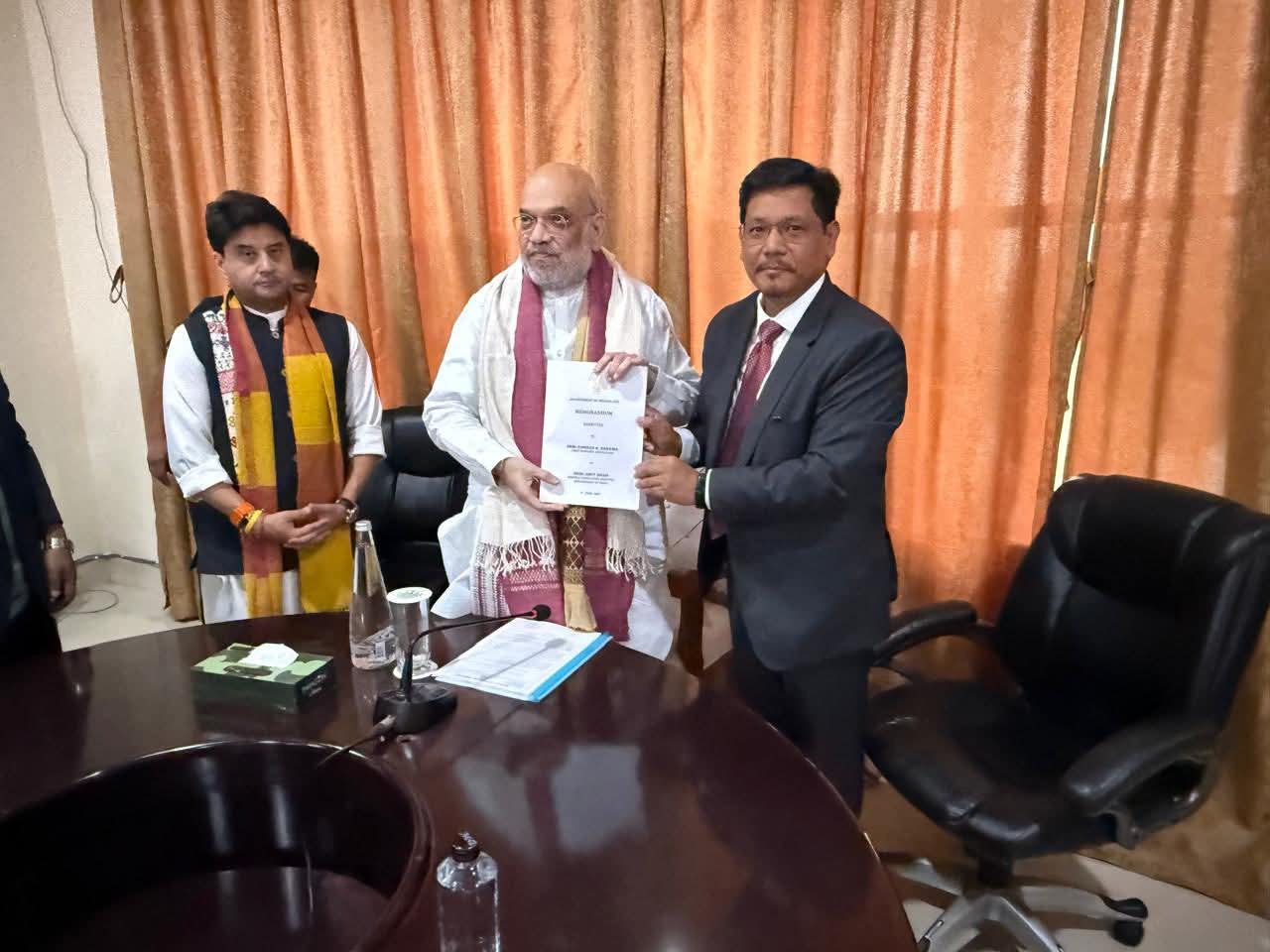
Power Minister A.T. Mondal has urged the Union Ministry of Power to extend financial support under the ongoing North Eastern Region Power System Improvement Project (NERPSIP), citing Meghalaya’s acute resource crunch and the urgent need to strengthen its aging transmission network. “Some funding has come through the State Government and the Ministry of DoNER, but due to financial constraints, we’ve requested the Ministry of Power to provide additional support under the North Eastern Region Power System Improvement Project (NERPSIP), which is still ongoing,” Mondal said.
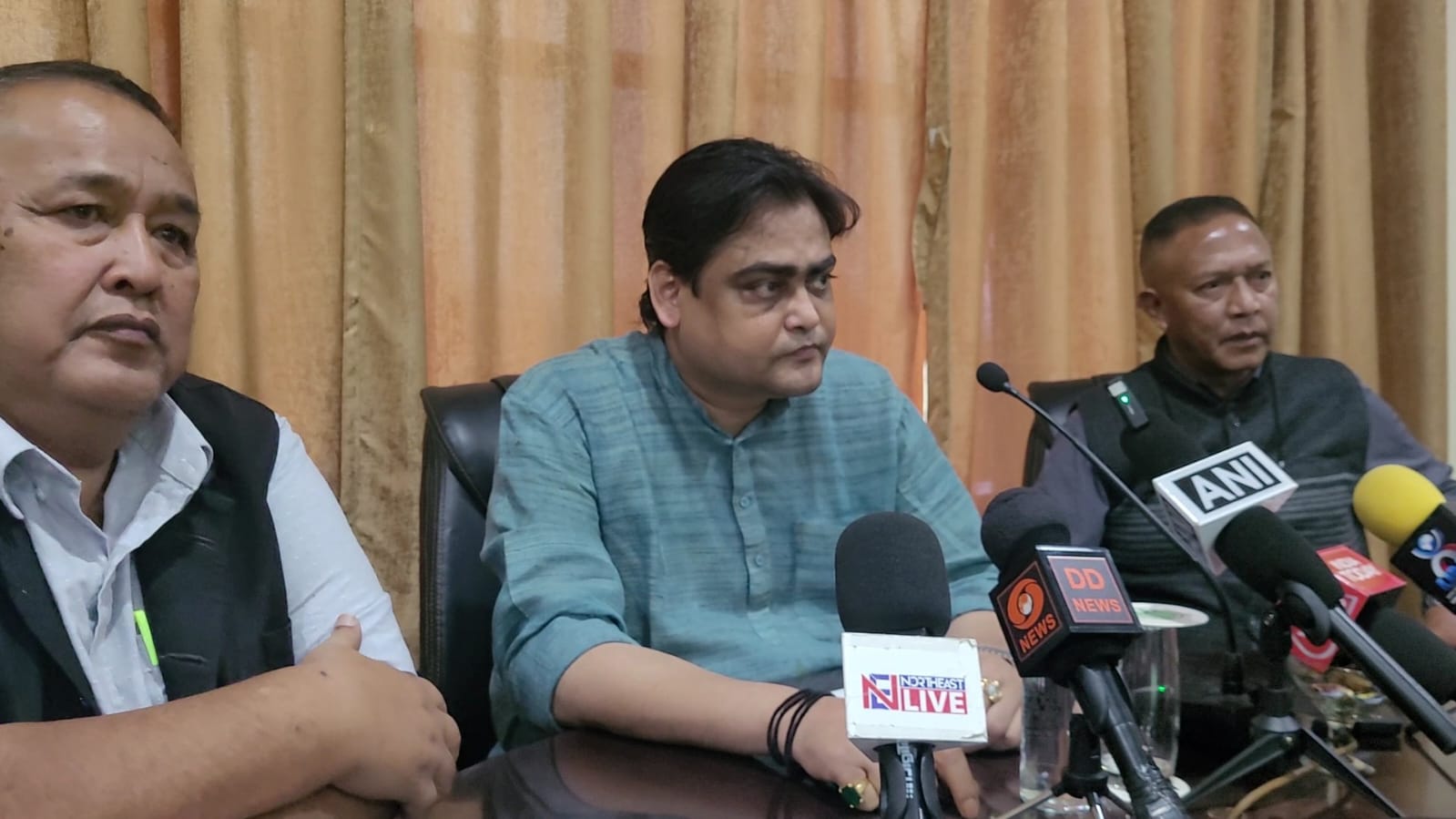
Briefing the media on the 16th National Power Committee (NPC) meeting held in Shillong recently, the Minister also raised concerns over delays in Power System Development Fund (PSDF) approvals. “The 21st Monitoring Committee had approved PSDF for northeastern states as a special case, subject to techno-economic evaluation. But final approvals are still pending, affecting SCADA EMS system upgrades,” he explained.
Calling for immediate intervention, Mondal urged the NPC Chairman—who also heads the CEA—to fast-track the process. He highlighted that while other regions are advancing technologically, the Northeast remains stuck in limbo due to persistent funding bottlenecks.
The Minister also flagged critical cybersecurity concerns in the energy sector. “With increasing cyber threats to power systems, we urgently need firewall installations and technological upgrades,” he said, underscoring the vulnerability of existing digital infrastructure.
Mondal specifically called for a dedicated 132/33 kV substation in Baghmara, a strategic border area facing serious logistical challenges. “Existing 33 kV lines pass through forests and elephant corridors, making maintenance difficult. A 132 kV line will help us overcome these issues,” he noted.
Addressing infrastructure gaps in Ri-Bhoi, he acknowledged persistent supply issues despite high power generation. “Though Ri-Bhoi generates significant power, the supply has been poor. We’ve secured land and are setting up a 132 kV substation in Nongpoh to address this,” he stated.
He further outlined plans to upgrade transmission in South Garo Hills, South West Khasi Hills, and West Khasi Hills—regions frequently hit by blackouts. However, Mondal admitted that certain large-scale transmission models may not be viable in the Northeast. “Such mega transmission upgrades may not be feasible in the Northeast due to geographical and corridor width limitations,” he said.
On the question of energy trade with neighbouring Bangladesh, Mondal ruled out the possibility, stating, “We don’t have surplus power to export, and Bangladesh is power-deficit too. So, import is not viable either.”
For rural Meghalaya, the state aims to build 5–10 substations annually to shorten line lengths and improve localized supply. “We’ve placed the proposal with the Chief Minister, who has assured phased support,” the Minister said.
Responding to industrial complaints from Byrnihat over high tariffs, Mondal clarified, “Tariffs are determined by the State Electricity Regulatory Commission, not MeECL. If industries have concerns, they can approach the Commission. No formal representation has been made so far.”