Exclusive
Even as Meghalaya begins India’s first fully digital Census, questions over the large-scale deployment of school teachers for enumeration duties have prompted the State government to seek clarity from district authorities. The issue has gained traction amid concerns from education stakeholders over administrative overlap during the academic cycle. Authorities, however, have maintained that teachers may undertake enumeration work after school hours. Census duty, they emphasised, is in addition to normal responsibilities to ensure minimum disruption of academic interests. Field operations are scheduled from May 16 to June 14, during which enumerators are expected to cover an estimated 150 to 200 households over a 30-day period, translating to roughly six to ten households per day, a workload described by the administration as reasonable.
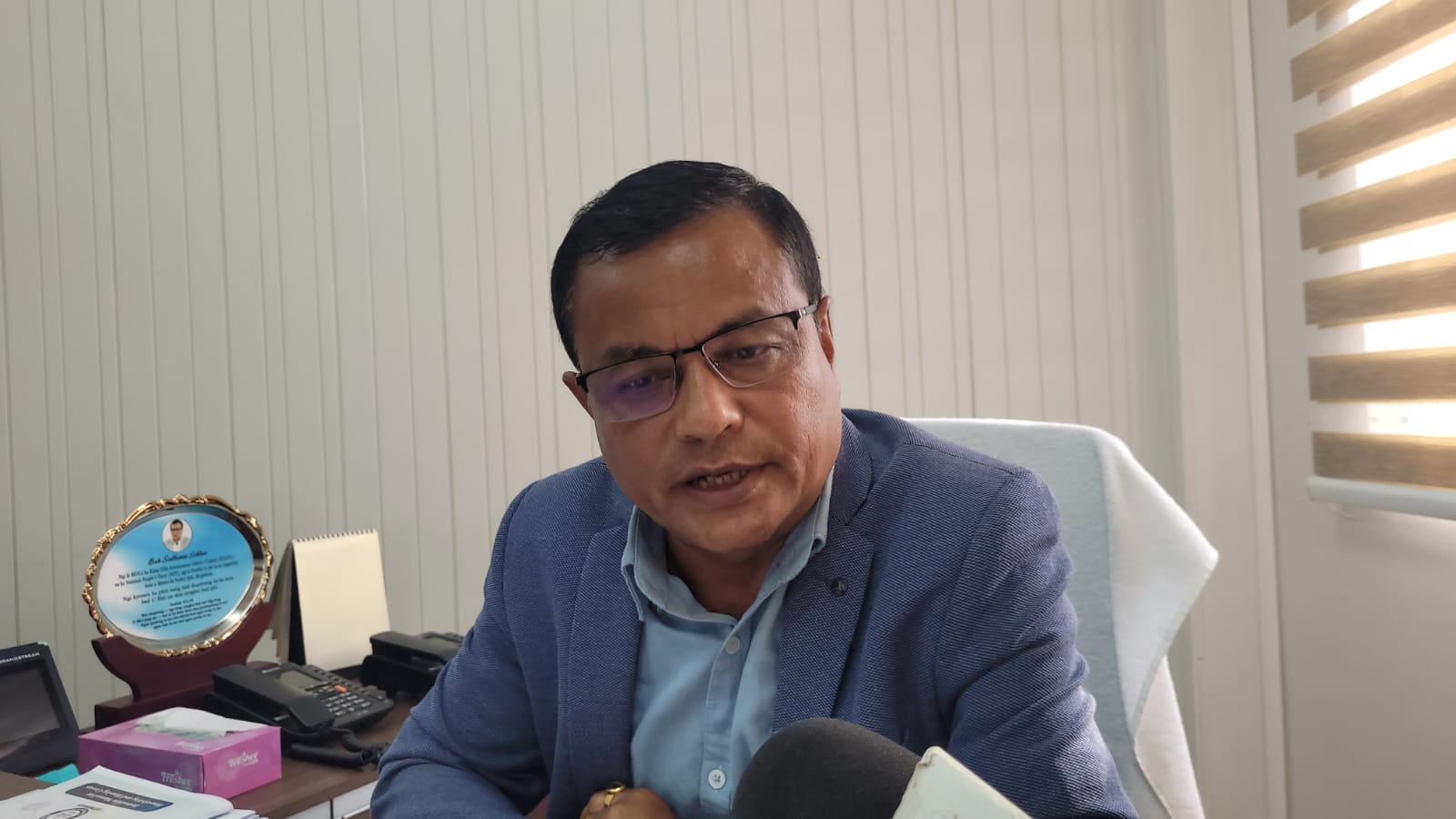
Minister in-charge of the General Administration Department (GAD) Sosthenes Sohtun on Friday said the government would seek a detailed report from Deputy Commissioners before taking a further view on the concerns raised regarding teacher deployment.
Talking to media persons, the GAD Minister said, “Ofcourse we have to get right information from the deputy Commissioner and will seek clarity from the deputy Commissioner, so that we can get right information about what you are asking. Meeting with nodal officers ofcourse from time to time we are having meeting because we want this exercise to run smoothly.”
The clarification comes at a time when Meghalaya is preparing for the Digital Census 2027, a large-scale administrative and statistical exercise being conducted after a gap of 15 years. Teachers across the State have been assigned roles as enumerators and supervisors, with training for trainers already underway since March 2026. The exercise will begin with a self-enumeration phase from May 1 to May 15, followed by house-to-house enumeration from May 16 to June 14.
“You all know that the Census of India is the largest administrative and statistical exercise, which we have to all corporate for this census and especially here we are having census after 15 years now. It was supposed to be in the 2021 where we could not go ahead due to covid pandemic, So now it’s a huge exercise,” Sohtun said.
“It’s the right time for each and every household to get Enumerated and especially for the process of this census, So that it runs smoothly,” he added.
Concerns have been raised from within the education sector over the diversion of teaching staff for Census-related duties, with reports indicating that a significant number of deficit and government school teachers have been assigned field responsibilities, raising apprehensions about academic continuity.
“See to say teachers they are the most suitable professionals in carrying out different activities in villages and by law established also under section 27 of the Right to Education Act 2009, teachers are assigned to signed worked as the enumerator and supervisor for census in certain areas. So, by saying that, what we should feel the responsibility and commitment that we should also held in making this exercise runs in very smooth and successful way. With regards to the fact of the schools, those enumerator be it like teachers. enumerator can do the Enumeration process after class, so it’s a sense of commitment that should feel that we have to take this charge and I hope with the assignment that is given we are hopeful that Census enermating process will run very smoothly,” the Minister said.
Officials have further clarified that the deployment of teachers as Enumerators and Supervisors (E&S) is in line with statutory provisions under Section 27 of the Right to Education Act, 2009, and is intended to be supplementary to their primary academic duties. The Census assignment is structured to ensure minimum disruption, with enumerators required to undergo only a brief three-day training programme in the last week of April or early May before resuming teaching duties until fieldwork begins.
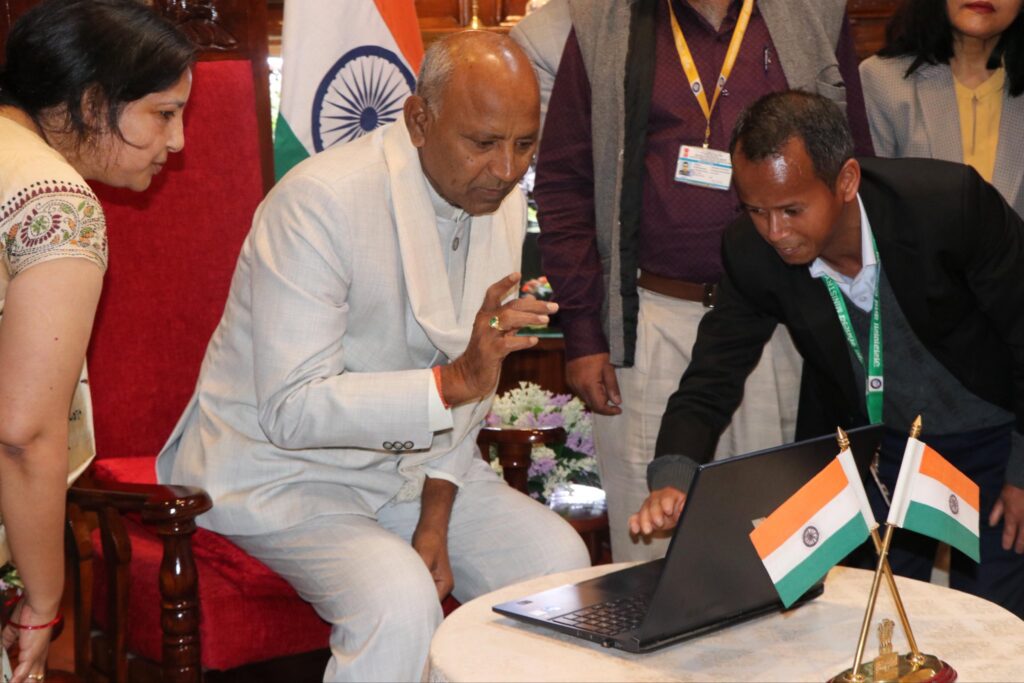
The Census of 2027 marks a significant shift towards digital governance, with the entire process—from data collection to analysis—being conducted through mobile applications and the Census Management and Monitoring System (CMMS) portal. The self-enumeration initiative was formally launched at Lok Bhavan, with Governor C. H. Vijayashankar completing the process.
Citizens will be able to self-enumerate online between May 1 and May 15, after which enumerators will verify household data during field visits. The exercise will be conducted in two phases, with Phase I covering self-enumeration and house listing operations, followed by a structured questionnaire on housing conditions, assets, and basic amenities, while Phase II—population enumeration—is scheduled for February 2027, with March 1, 2027 as the reference date.
Officials estimate deployment of around 9,000 enumerators and supervisors across the State under a multi-tier monitoring framework to ensure data integrity, even as the government attempts to balance administrative requirements with concerns raised from the education sector.