Exclusive
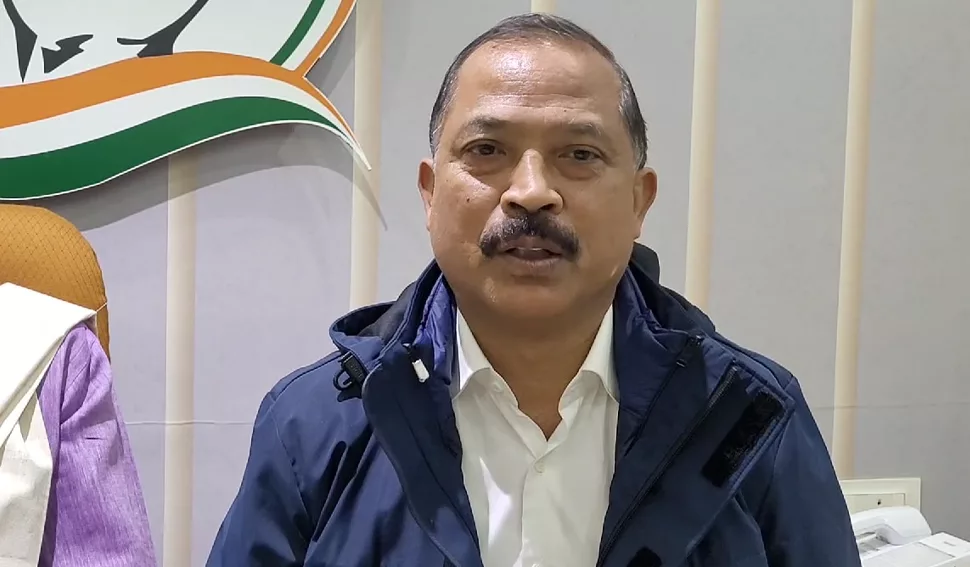
Meghalaya Pradesh Congress Committee (MPCC) president Vincent H Pala has accused those in power of enabling and profiting from widespread illegality in the state’s coal sector, alleging that an unofficial yet “huge collection of money” on the roads has crippled lawful coal transportation. Pala claimed that despite official auctions of coal and high market demand, the government’s “gunda tax” has become so exorbitant that even successful bidders have stopped moving coal, rendering the entire system dysfunctional.
It may be mentioned that Meghalaya could sell only 3,563 metric tonnes out of the 2,13,567.99 MT of coal that was put up for auction held earlier this year, a panel report said. The sale works out to approximately 1.67% of the total volume. On the auction of re-assessed or re-verified inventoried coal by Coal India Limited for efficacious disposal of the said coal, the Justice (retired) B.P. Katakey Committee, in its 33rd interim report, said that it made several attempts to find a more reliable method to ensure expeditious auction of such coal in the CIL’s designated depots.
“See the report is after all reports only, today somebody give report there is coal, the report given by the deputy commissioner, given by Police or by different agencies, tomorrow they said this is illegal and day after tomorrow they will say okay auction it. Auction has been done but there is no transportation. This official we cannot say and we cannot keep on changing the data,” Pala said, accusing the government of inconsistent and manipulated coal data. “The Coal India has done the auction, whereas there is no takers.”
He alleged that coal auction winners were unable to transport coal due to rampant extortion on the highways. “These people, when they got the coal from the auction then that coal was not transported, because why, on the way there’s a huge collection of money… the demand is high, but the government’s gunda tax is higher than the demand,” he said.
Pala further charged that private individuals were “misusing” the illicit money collected during transportation. “The government doesn’t get any revenue but individuals getting huge revenue for their personal benefits and with that money they misused the money… they buy the leaders and they do so many things they build hotels, they make buildings,” he alleged.
Pointing to the continued dysfunction in the sector, he said, “Ministers as on today or the people who are on power, who are looking after these things they know that so much coal is there, so much auction has been done. So much has been lifted, so much are to be lifted they are aware of all. Definitely the Deputy Commissioners, Superintendent of Police, the Ministers definitely they have all the datas with them.”
Pala asserted that the mess began with the sudden halt of mining. “See the fact about the coal is that when the National Green Tribunal stopped the coal, they stop suddenly. There was a huge chunk of coal, huge investment was left there… and when they stop the coal, it was stopped without proper planning,” he said, adding that the government has since failed to create any clear policy.
He alleged that illegalities have now become embedded in governance. “The government, I think they are living with illegal… illegal coal, illegal drugs, illegality in transportation of cattle. So many illegals are there. The government live with the illegality. They encouraged illegality,” Pala said. According to him, lack of livelihood support has pushed people in coal belts of Garo, Jaintia and Khasi Hills to continue illegal mining.
He also questioned the reliability of the data gathered by authorities. “The data which Katakey committee has got from the District Administrations, I don’t think they got the exact data… when those coal from the jungle comes to the road side they said it’s a new mining, it may or may not be,” he said, alleging routine mining despite drones and surveillance.
Slamming the government’s ad-hoc approach, Pala said, “There was no proper system of doing it. Last time, they transferred SP from Jaintia Hills, but today, again, the coal is there… people have been mining for the last 50–60 years. So you cannot just stop like that without proper rehabilitation, a proper system, a proper policy. So the government doesn’t have a proper policy, that’s why all these things happens.”