
Exclusive
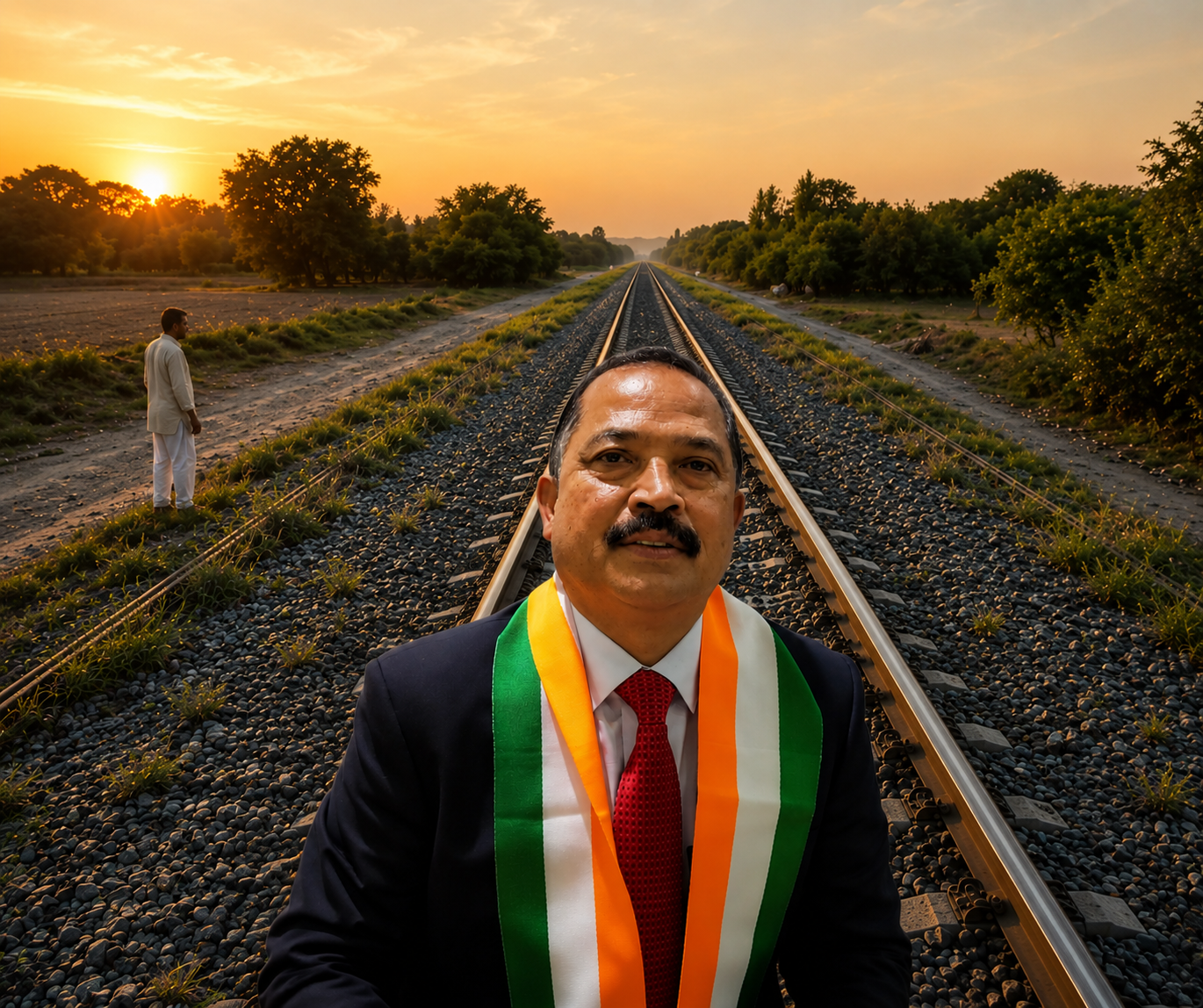
Meghalaya Pradesh Congress Committee president and State Congress recommended nominee for the upcoming Shillong parliamentary bye-election, Vincent H. Pala, has said that the responsibility of political leaders is to secure sanctions for development projects, but added that public sentiment must be respected if a larger section of people opposes them. Stressing the need to balance development with safety concerns, Pala said democratic governments cannot ignore public opinion, while also noting that leaders are often criticised for inaction if developmental projects are not pursued.
Speaking on the prolonged debate surrounding railway connectivity in Meghalaya, Pala maintained that while railway expansion could contribute to development and employment generation, it should not be imposed against the wishes of the people. “The opposition will come from a section of people, not from all the people. So our job as leaders is to get sanctions. If more people oppose it, we respect the sentiments of the people because we need development and, at the same time, we need safety. That’s what I said. In a democracy, we respect the sentiments of the people, but if we do not do anything, then people will say that we have not done anything. Now we did it, and if they do not want it, we respect their sentiments and we will work together. Maybe at one point in time, they will change. Sometimes people change their minds with time, innovation, technology, and employment opportunities. Maybe one day, people will not say that when he was MP, he did not do anything. My intention is not to impose or force anything, but our job is to get sanctions. If they do not want it, I will never force them.”
Railway projects in the Khasi and Jaintia Hills have remained stalled for years due to opposition from several pressure groups and sections of civil society, who argue that the absence of robust anti-influx mechanisms could threaten the indigenous population. The State government has repeatedly stated that it will not bulldoze the projects and that any move forward would depend on dialogue, consensus, and public acceptance.