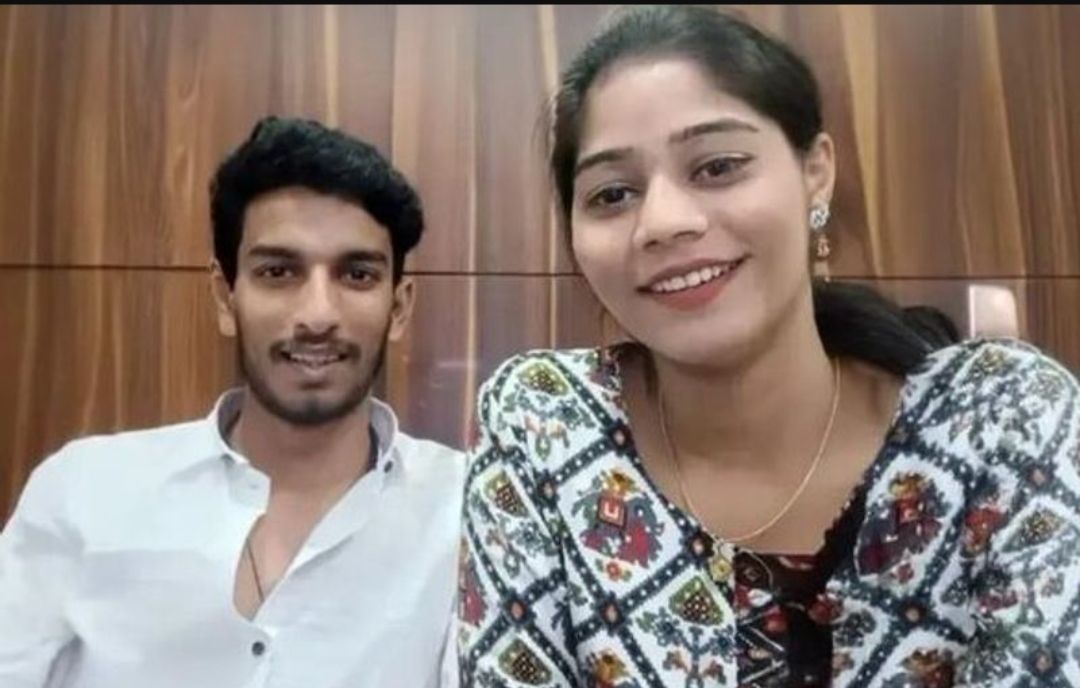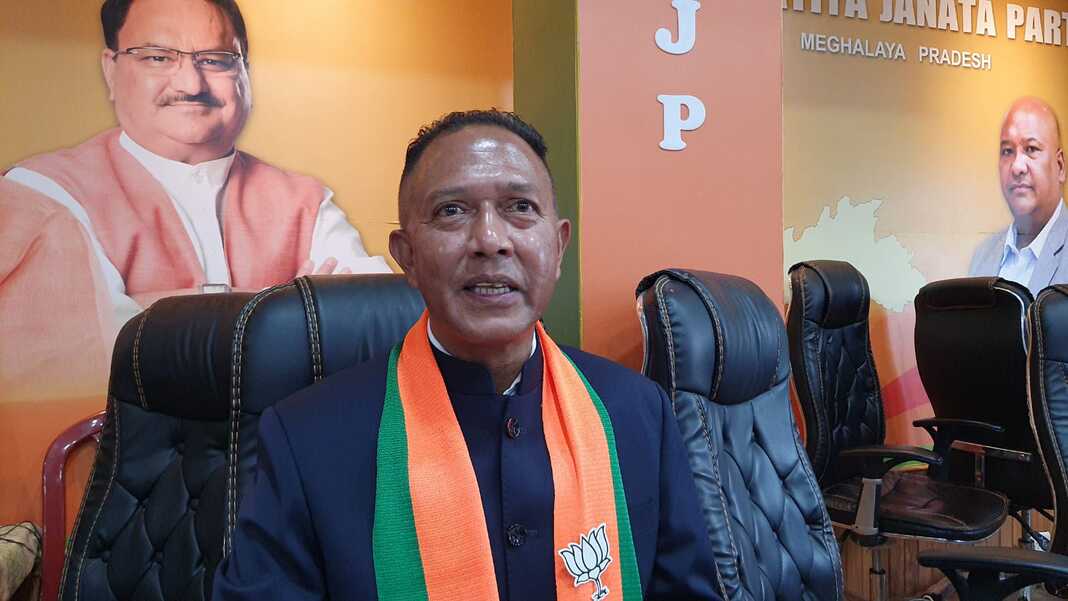

Minister Incharge of Information and Public Relation, Meghalaya Dr M Ampareen Lyngdoh on Saturday raised serious concerns about the dangers of media trials and the unchecked circulation of misinformation, drawing a sharp reference to the Raja Raghuvanshi murder case to illustrate how the credibility of journalism is being compromised. Speaking at the Annual General Meeting of the Meghalaya Editors’ and Publishers’ Association (MEPA) held at Shillong Club in the presence of Commissioner and Secretary DIPR Vijay Kumar Mantri, Director of IPR Batlang Sohliya and senior members of the press, the Minister of Information and Public Relations cautioned that while freedom of the press is an essential pillar of democracy, it cannot be divorced from responsibility and accountability, especially at a time when social media platforms without monitoring, influencers driven by viewership, and artificial intelligence tools capable of creating fabricated truths are distorting facts, eroding public trust, and, in her words, “actually making extinct” traditional journalism. Stressing that sensational coverage and prolonged media trials can endanger citizens at large, Lyngdoh urged MEPA to devise mechanisms for self-regulation and quality control, warning that the integrity of the press is under severe threat if publishing houses, editors, and journalists do not collectively step up to safeguard their own credibility and survival.
Dr Lyngdoh said, “In Raja Raghuvanshi murder case, 30 percent of the information that was being circulated in the media was true while 70 was actually untrue and most of us who were caught in that saga were wondering if it was just a crime patrol or was it the factual information. We have to find out.” She added, “What is the role of MEPA, how do you devise a mechanism to ensure that quality is not compromised, is it a fact that anybody can put up a story and decide that what they say is the truth. Look at some of the influencer that they are emerging in Media they are actually making extinct.”
Emphasizing the balance between freedom and responsibility, the minister said, “We talk about freedom of the press, but we fail to talk about responsibilities of the Press. And at the rate which social media is engaging without monitoring is getting to be very very dangerous. With Artificial Intelligence, now becoming a huge intervention un truths will be made out to be truth. At the point that we need to understand is will Meghalaya Editors and Publishers Association and other associations of journalists be made responsible to ensure that flow of information is not, is not attacking and does not fulfil only a press trail which sometimes becomes very very dangerous for citizens at large.”
She further cautioned against sensationalism, remarking, “The moment the Media picks up certain story and decides that this will be the story for the next one month. That many of the social media activists are surviving on this YouTube, membership and numbers, viewership and I don’t know what all is now dictating the world, the integrity of the press media is being compromised, no matter who are the victim is.”
The general meeting of MEPA also elected its new office bearers for the next three-year term. R Monarch Shabong was reelected as president while John W. Thabah was reelected as general secretary. The vice presidents elected at the meeting included Dr Kamal K. Jhunjhunwala, Rajib Choudhuri, Markus M. Thaïang, Raphael Warjri and Russel Nongrum. The newly elected joint secretaries are John Lyngdoh and Purbasha Bhattacharjee. Kyrmen Uriah was reelected as organising secretary and Deimebanda Blah as treasurer. Seven Executive Members were also elected: Justice Marweiñ, E M Jose, Apporlet Shabong, Starfing Pdahkasiej, Deimaïa Siangshai, Sunday Sumer, Dominic Savio Diengdoh and Banker Lapang.
The meeting also deliberated on several issues concerning media houses and working journalists of the state, with the open session attended by journalists and media representatives