The Centre has sanctioned ₹160 crore to address 72 identified sinking zones along the strategically important Tura-Dalu section of National Highway 217 in Meghalaya, with technical support from IIT Patna and international experts to develop long-term solutions for slope instability and ensure seamless connectivity to the Bangladesh border near Dalu. The initiative is part of a wider national programme to tackle vulnerable highway stretches affected by landslides and ground subsidence, with the government investing heavily in the rehabilitation of such critical road corridors.
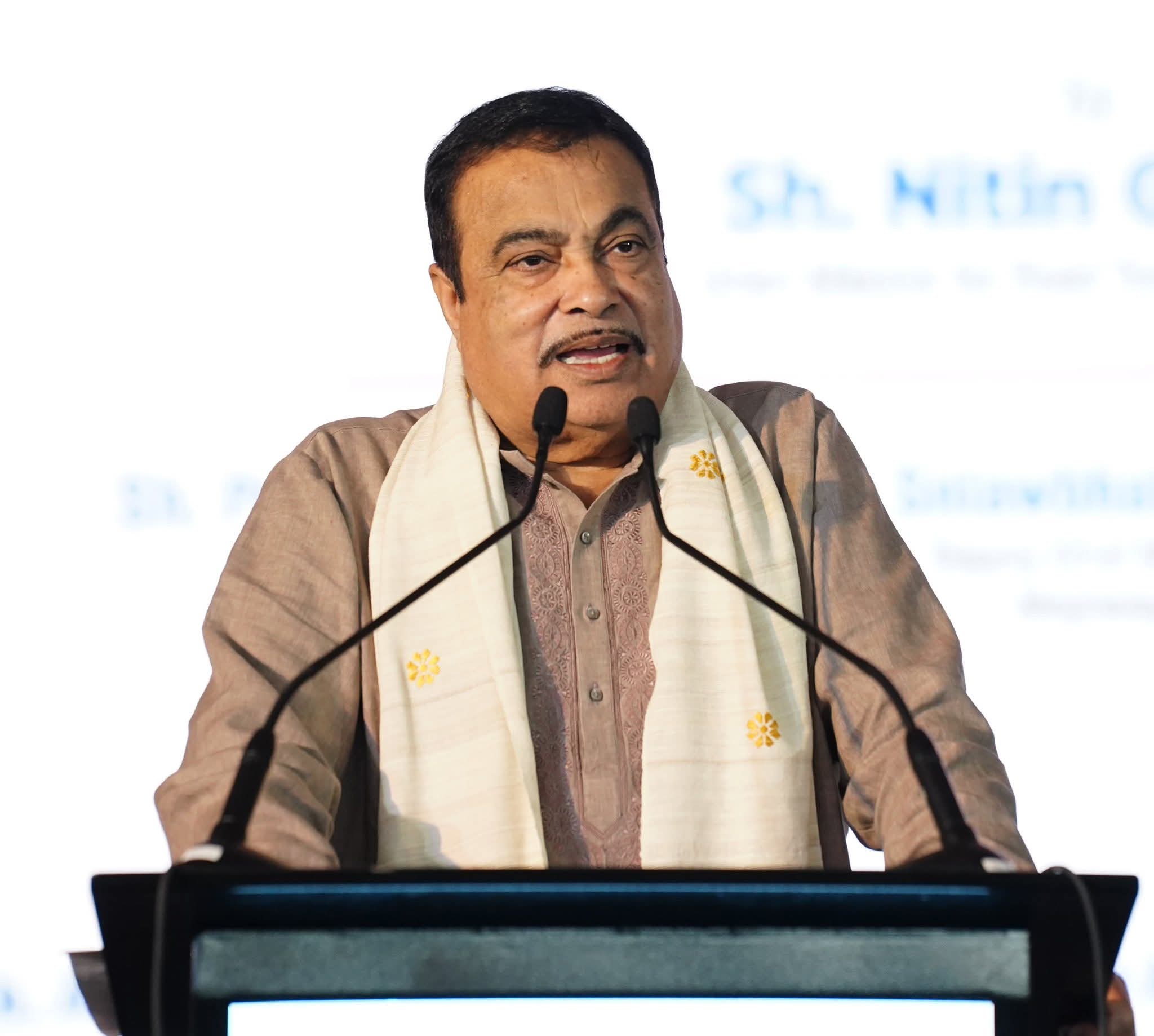
Announcing the measures on Monday, Union Minister for Road Transport and Highways Nitin Gadkari said the government had undertaken a scientific assessment of vulnerable highway stretches and identified multiple sinking and landslide-prone locations requiring urgent intervention.
“Improvement of sinking zones on Tura- Dalu sector NH 217, we have identified 72 locations. Like accident black spot we are spending around Rs 40,000 crores to improve. Around 930 landslide spot we have identified, 72 locations are there in Meghalaya and we have sanctioned Rs 160 crores and this work of sinking stage also is dealing with,” he said.
The Minister said the 72 sinking locations, spread across approximately 9.5 km of the highway, were being addressed through specialised engineering interventions aimed at providing a durable and sustainable solution to recurring road failures that have often disrupted traffic movement in the region.
“72 sinking locations in 9.5 km identified, at the same time we have taken help of IIT Patna, International agency and the risk in the sinking sector will be eliminated to provide a stable riding surface. Ensure Smooth and uninterrupted traffic for connectivity toward the Bangladesh border near Dalu,” he said.
The Tura-Dalu corridor is a key transport artery in western Meghalaya, linking the Garo Hills region with the international border and serving as an important route for trade and movement. The proposed stabilisation works are expected to enhance road safety, improve year-round connectivity, reduce disruptions caused by landslides and subsidence, and strengthen cross-border connectivity infrastructure in line with the Centre’s broader vision of improving transport networks in the Northeast.