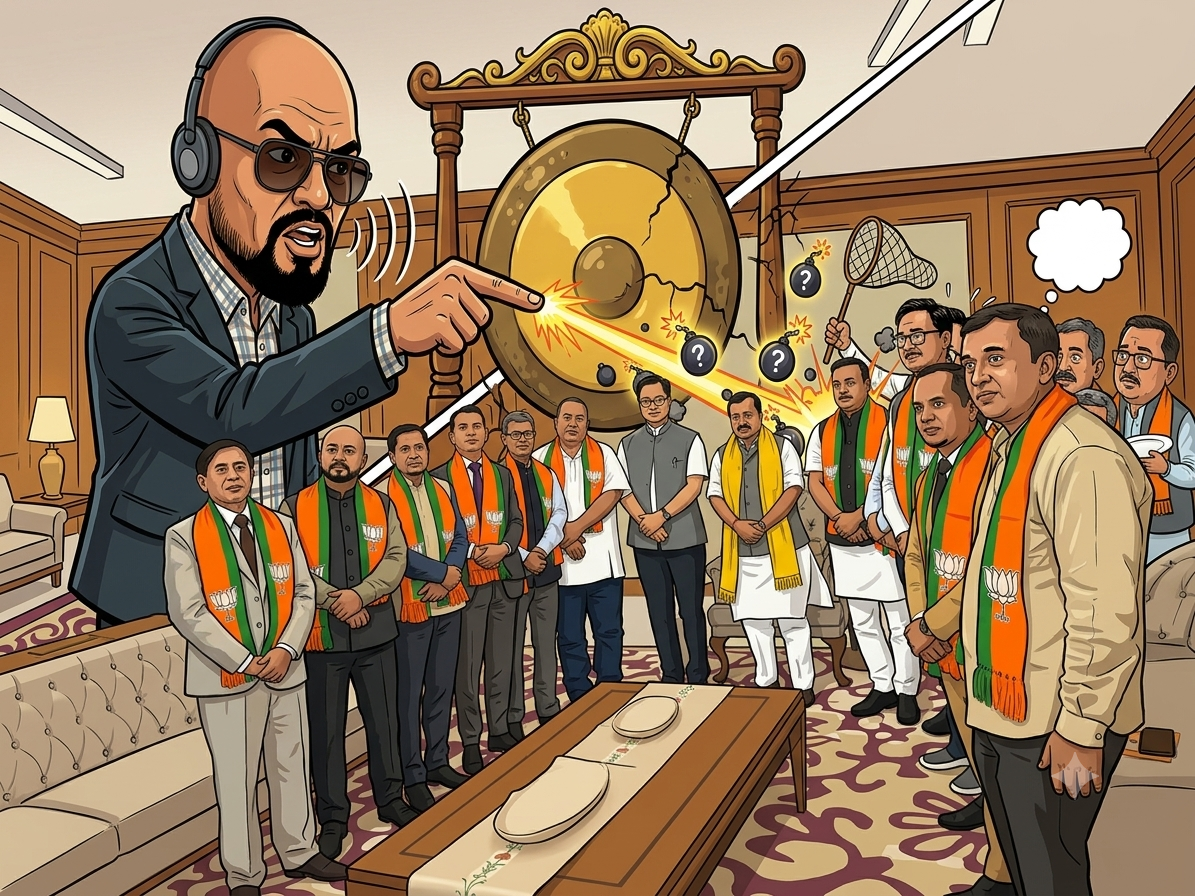
Ten MLAs. Second-largest party in the Meghalaya Assembly. A much bigger presence in the state’s political power game. But here’s the million-dollar question: Does a bigger head count in the Assembly mean a bigger vote count in 2028? Not necessarily. In politics, legislators can switch sides, alliances can be reshuffled, and equations can change overnight. But when the election bell rings, it is the voters—not the numbers on the Assembly scoreboard—who have the final say. And that is precisely the challenge now facing the BJP in Meghalaya.
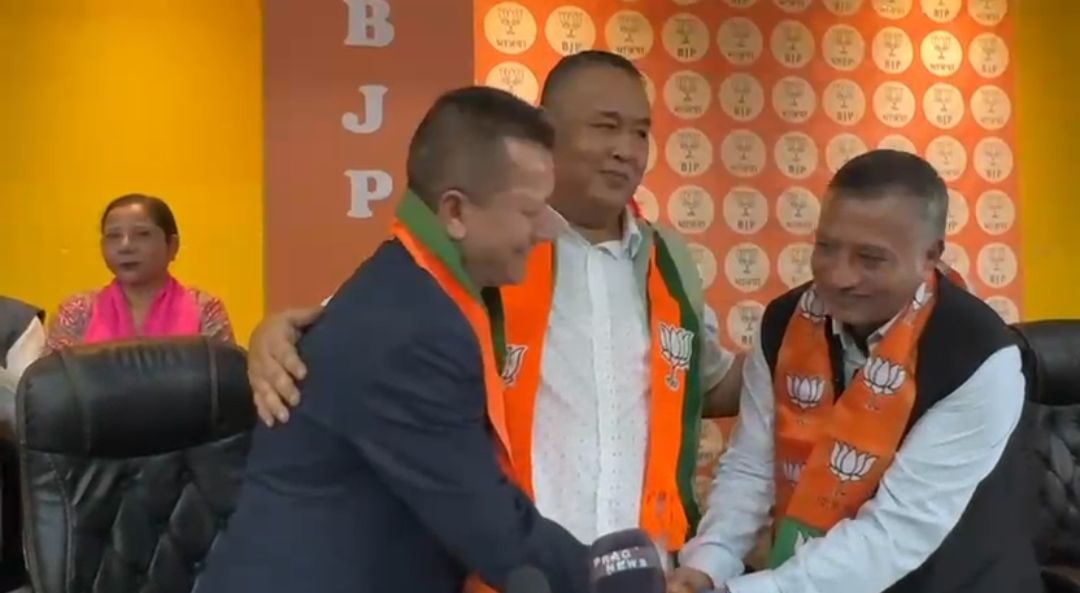
The saffron party’s strength jumped from two MLAs to 10 after eight legislators from the United Democratic Party (UDP) merged with it, catapulting the BJP into the position of the state’s second-largest party in the Assembly. The merger has changed the political arithmetic, giving the BJP greater legislative weight. But does that translate into public acceptance? Voice of the People’s Party (VPP) president Ardent Miller Basaiawmoit has his own take. He has predicted that Meghalaya’s voters will reject the BJP in the 2028 Assembly elections, arguing that the party’s growing legislative strength does not necessarily translate into electoral support.
“…… as you are aware of the fact that BJP is so desperate to get a government in Meghalaya for the reason best known to them. I am sure that people of Meghalaya wills surely reject BJP in the general elections,” Basaiawmoit said.
Then came the political punch. Suggesting that money and investment can help any party expand its influence, the VPP president said the BJP was not the only party capable of making inroads through such means. “I think it is not only bjp any party can come to its back door If they are willing to spend if they are willing to invest,” he said. The remark adds another dimension to Meghalaya’s changing political landscape, where party affiliations have become a subject of intense debate following the latest realignment. The big question is whether the BJP’s expanded Assembly footprint will translate into a wider electoral base—or whether the ballot box will tell a different story.
The 2028 election will put that question to the test. For the BJP, the challenge goes beyond adding MLAs to its ranks; it must make its political presence count with voters across Meghalaya. For now, the party has the numbers in the Assembly. Basaiawmoit has made his prediction. The final verdict, however, will not come from political commentary or legislative arithmetic. It will come from the electorate—one vote at a time.