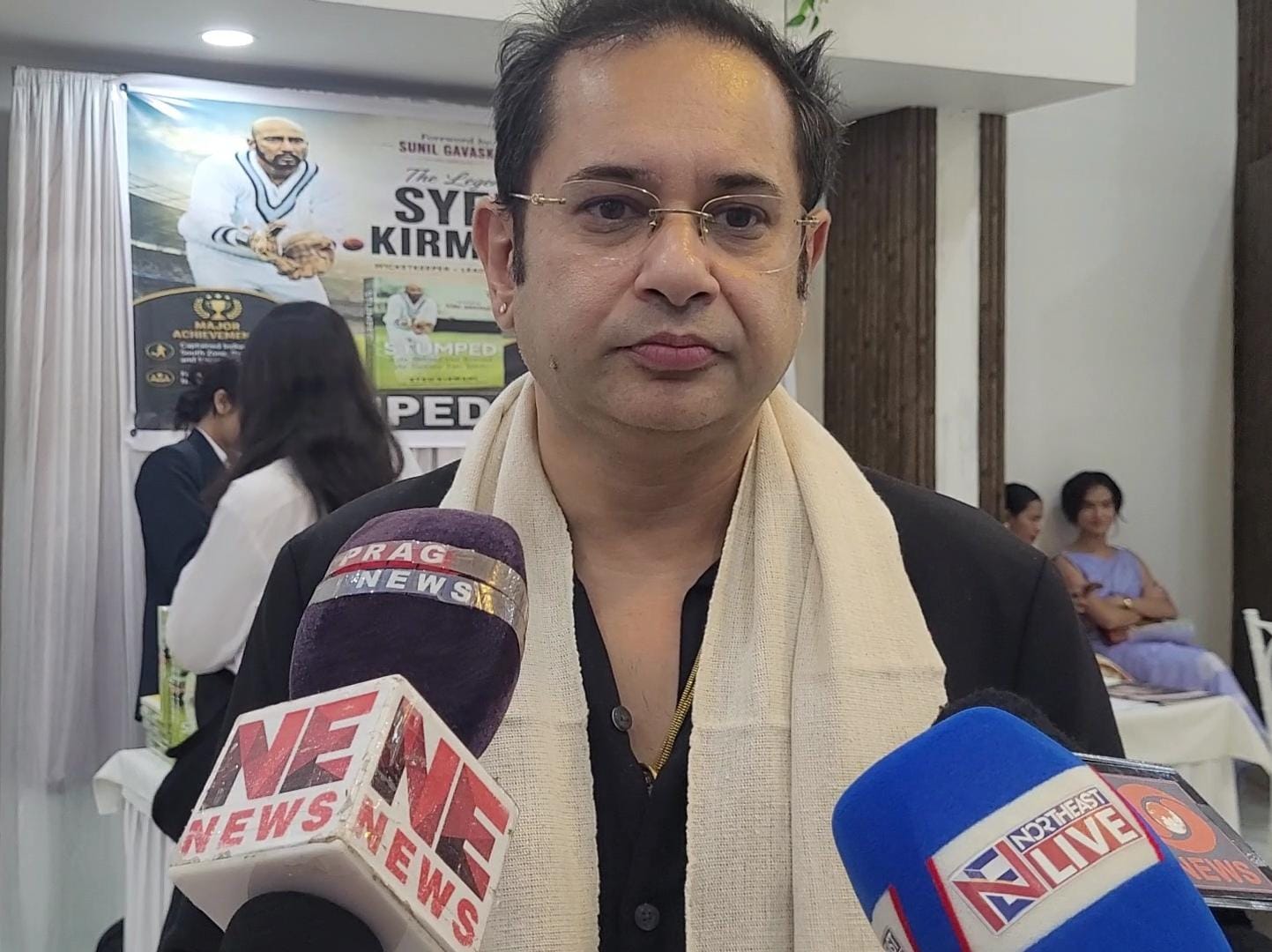
Tipra Motha supremo Pradyot Kishore Debbarma has called for a firmer and more comprehensive border policy, urging the Centre to make it clear that India’s territorial boundaries are “not negotiable” while accelerating infrastructure development in frontier areas. He said the security of the country’s borders could no longer be viewed separately from the development and welfare of communities living in strategically sensitive regions, and argued that better roads, highways, communication networks and airports would strengthen both national preparedness and local resilience.
Debbarma said the Government of India should adopt an unambiguous position on India’s boundaries not only in Arunachal Pradesh but also in strategically sensitive areas such as Ladakh-Leh, parts of Sikkim and areas bordering Bhutan. He stressed that India needed to maintain a firm position on its territorial boundaries while simultaneously matching the pace of infrastructure development undertaken by China on its side of the border.
“I think we should be firm on our ground and the government of India should firmly ensure that not only are Arunachal Pradesh, but even in Ladakh Leh, in parts of Sikkim, parts which border Bhutan, the Government of India should have a very clear stance on our boundary. Our boundaries are not negotiable, and the government of India should hold firm and also develop infrastructure, like the way China is developing infrastructure in their part of the border because sooner than later, if something does happen, India should be prepared and the local population should also be given the same Comfort which people within the borders of India are being given.”
Asked whether he was satisfied with the Centre’s present approach towards the border areas, Debbarma said more needed to be done and argued for a fundamental shift in the country’s approach to frontier development. He said India had historically exercised caution in developing border regions out of concern that infrastructure could potentially be used by China to advance further into Indian territory. According to him, that approach belonged to an earlier era and should now give way to a policy centred on stronger connectivity, preparedness and development.
“I think more has to be done because India’s policy initially was to not develop the bordering areas so that the Chinese could not use the infrastructure to come further down within India, but I think if we have an advanced policy where we develop our infrastructure even more like roads, highways, communications, airports. Then it will only help the local population and also help own country because we cannot not develop our border area so that China does not take. That’s a policy of the past. We have to look at the policy of the future.”